💻 My Experience at WinCS
WinCS (Women in Computer Science) is a vibrant community within the School of Computer Science, University of Auckland, dedicated to supporting and empowering women and gender minorities in technology. During my time with WinCS, I helped organize events, mentor students, and foster inter-university collaborations — building an inclusive and connected environment for aspiring women in tech.
① Team & Community
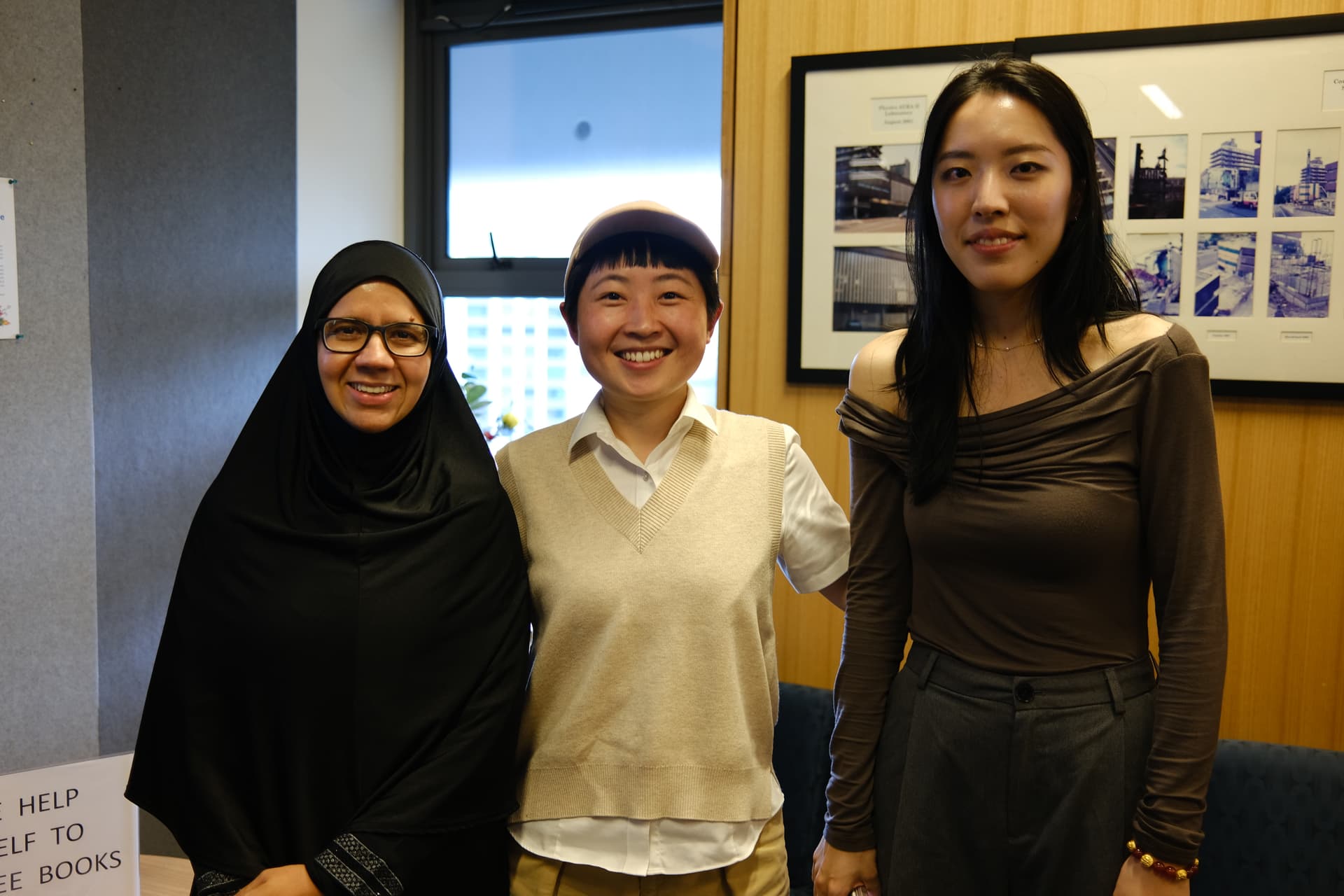
Our WinCS team — a diverse group of women in computing — worked tirelessly to host events connecting students, alumni, and industry professionals. Together, we cultivated a network of inspiration and support.
② Mentoring & Learning
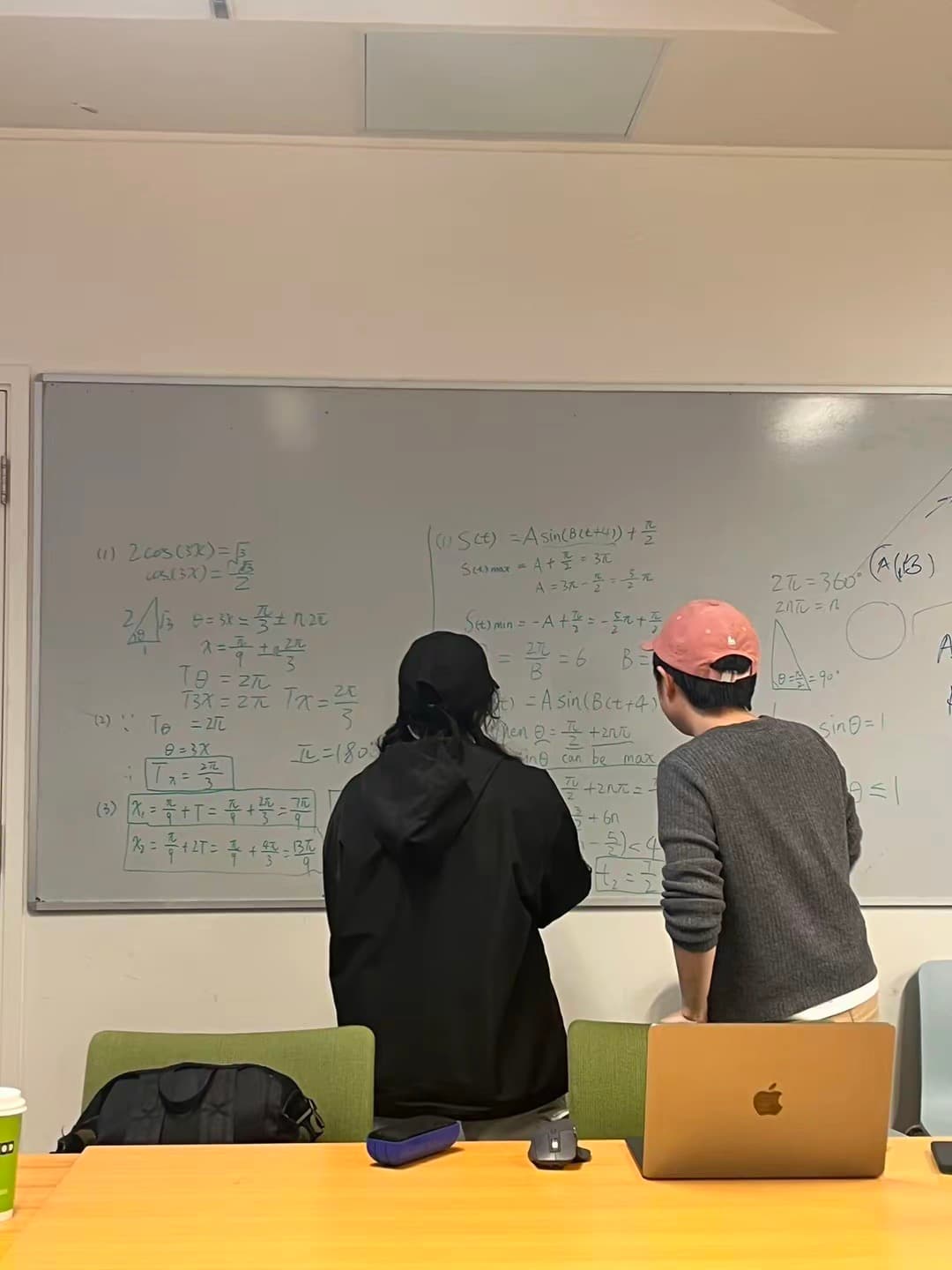
Supporting peers in mathematics and computer science fundamentals — helping them gain confidence in analytical problem-solving, teamwork, and leadership. These sessions often became spaces for encouragement, growth, and collaboration.
③ Careers 101 & Alumni Panel 🎉
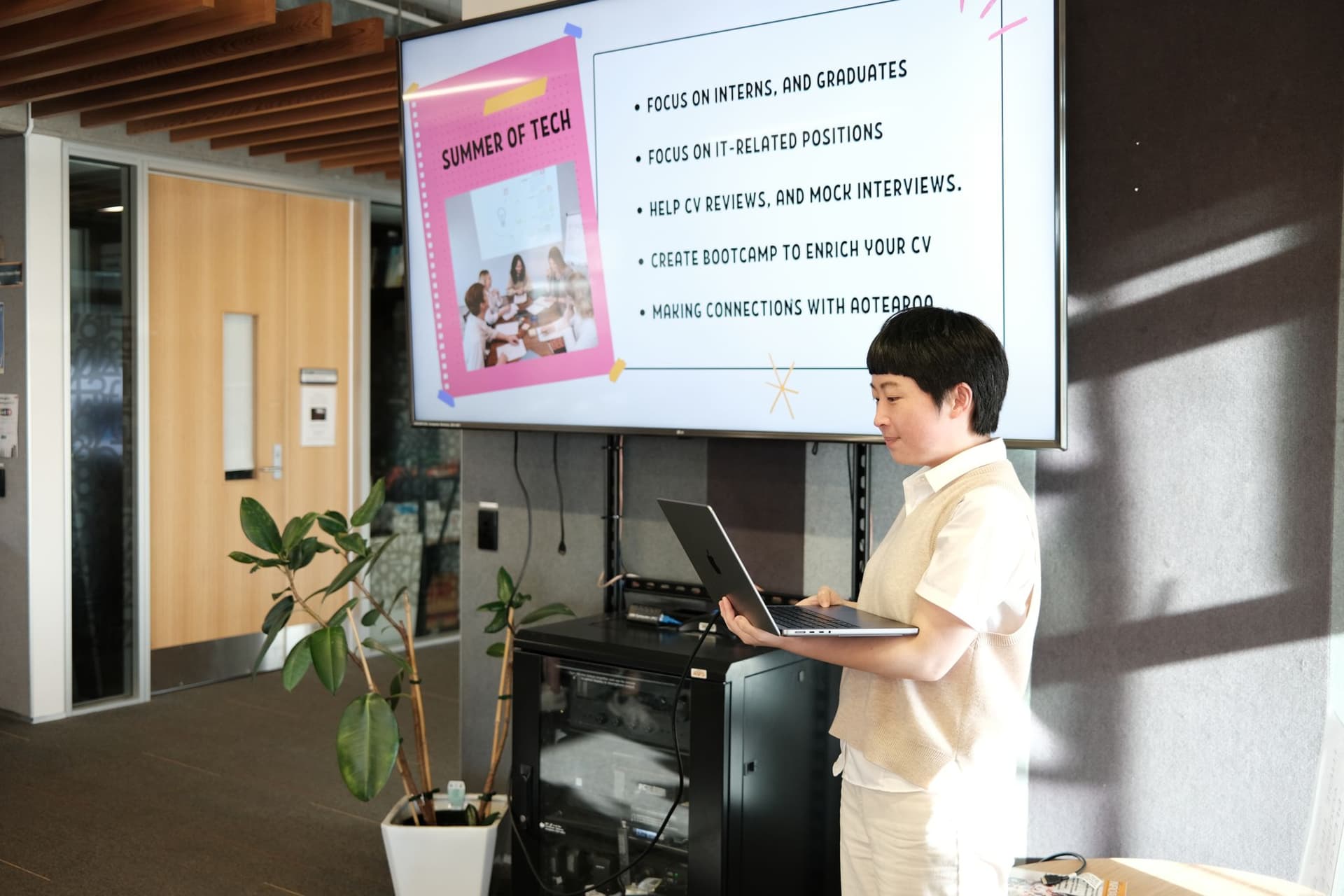
Our Careers 101 event focused on CV building, LinkedIn polishing, and navigating the Summer of Tech program — empowering women to bridge academia and industry. Collaborating with Kayla Wang, Kaylee Chen, Lin Lin, and others, we guided attendees through mock interviews and networking sessions.
④ Women in Computer Science Career Q&A 🌟
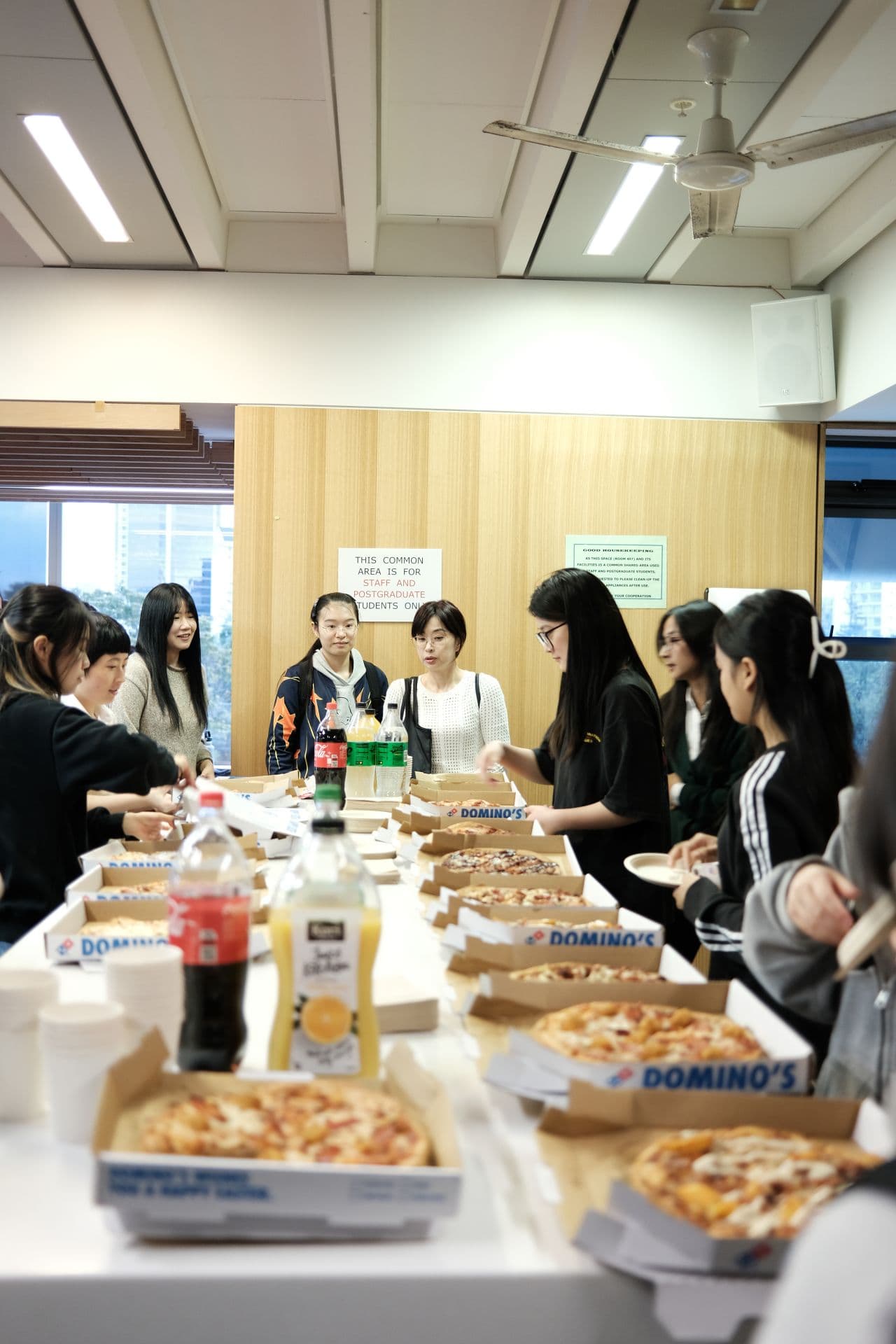
We hosted engaging discussions featuring alumni such as Anna Trofimova, Jasmine Wang, and Maria Heloisa Balzaretti, who shared candid stories about entering and thriving in tech. These heartfelt exchanges encouraged authenticity and mentorship across generations.
⑤ Women in Tech Panel 🚀
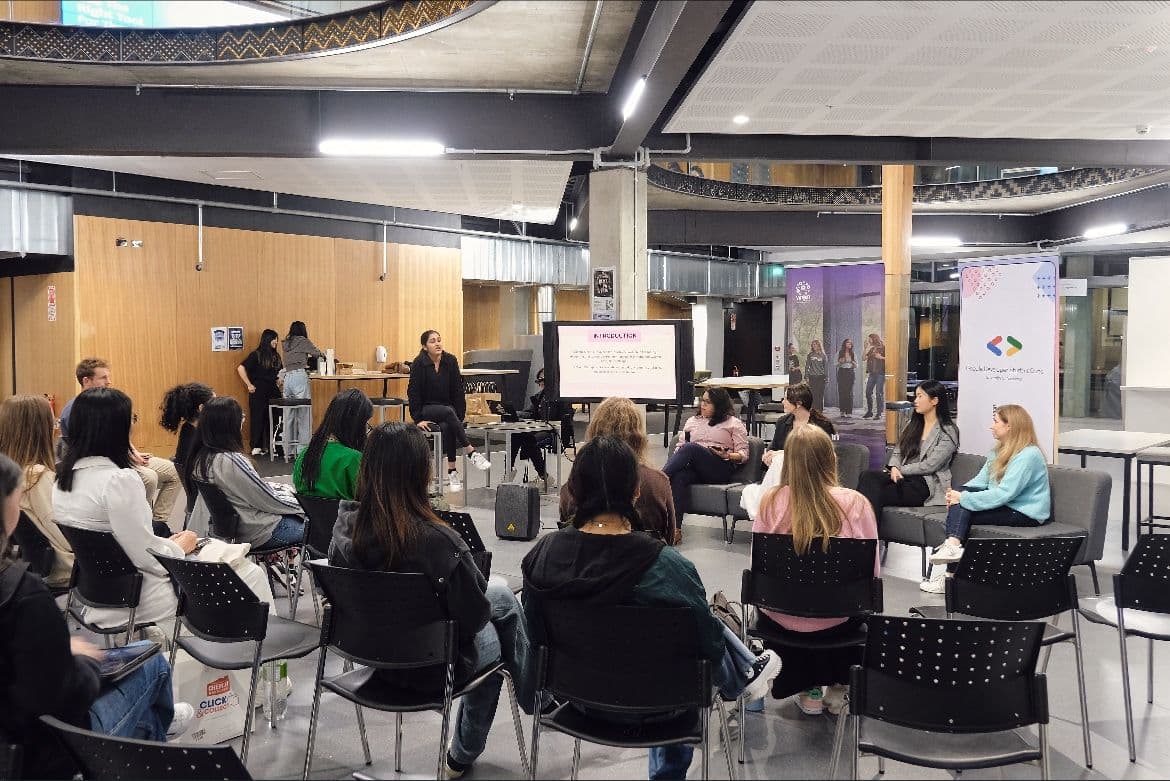
A cross-organization collaboration between Women in Tech (UoA), WEN, and Google Developer Groups. Featuring inspiring speakers — Annie Vella, Lola Garden, and Noor Syed — the event showcased the power of collaboration, empathy, and representation in technology.
Every WinCS event reaffirmed my belief that inclusion is not a checkbox — it’s a continuous practice of listening, amplifying, and empowering. I’m proud to be part of a community shaping a more equitable future for computing.